Content Marketing for Startups: Where to Start
Your first content idea may already be sitting in a sales call or support inbox. Turn one recurring customer question into a useful piece, share it where your audience already looks for help and use the first month’s feedback to decide what to publish next.
Opus Rank
Team ·

The content calendar is empty yet customers keep asking what to say when an invoice goes unpaid. That question gives an invoicing startup a concrete place to begin.
Content marketing for startups starts with creating and sharing material that helps a specific audience solve a problem. Pick one question, turn it into something useful and get it in front of people who need it. Once that first piece is live, reader feedback and early performance can help the team decide what to publish next.
Content Marketing for Startups Begins With One Customer Problem
A useful first topic starts with a specific person in a situation the team understands. For an invoicing startup, that could mean helping freelance designers follow up on their first overdue client invoice. The immediate problem is finding the right words for an awkward email.
Find a question customers already ask
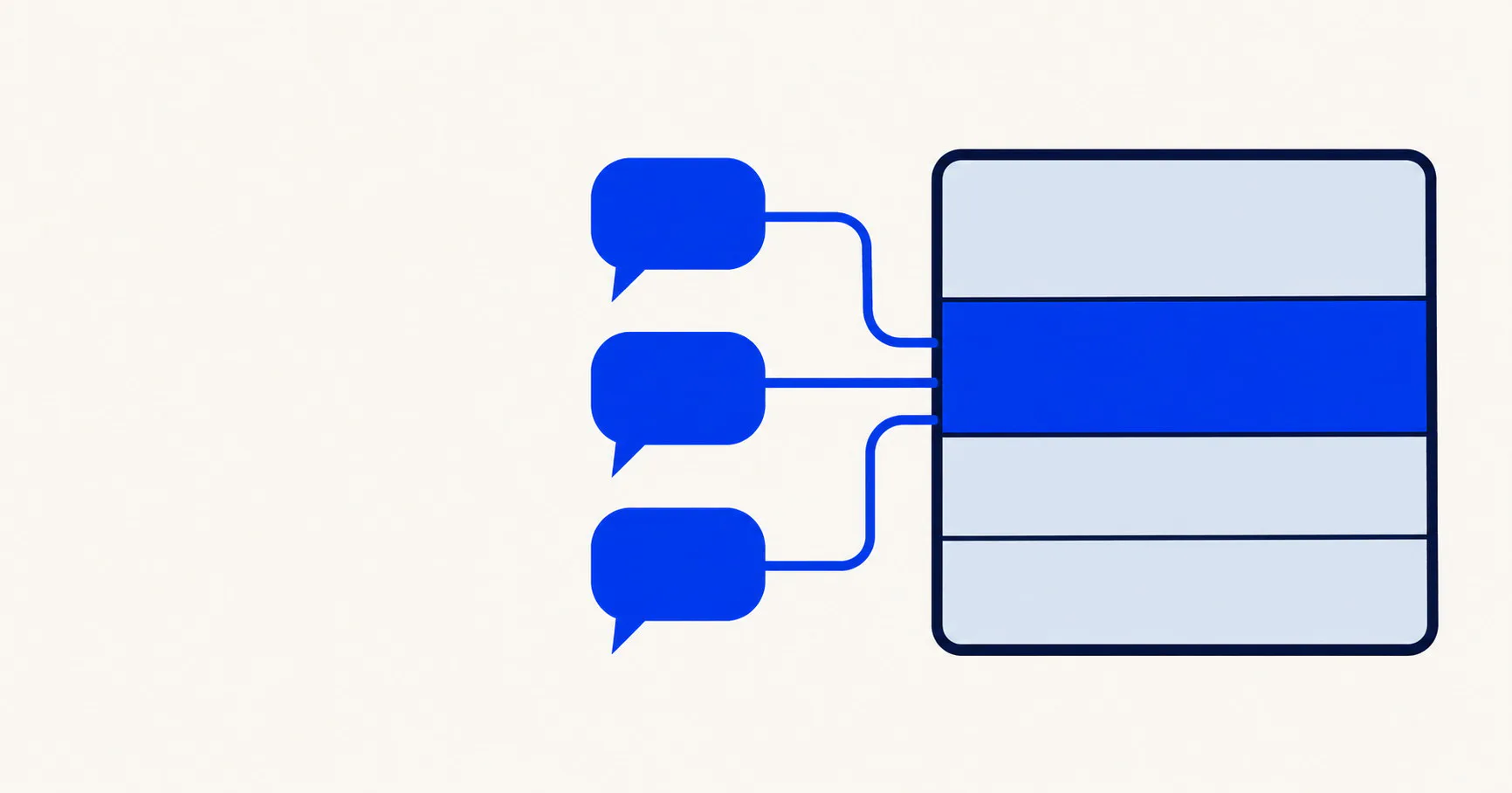
Review recent sales calls, support messages or prospect interviews for questions that come up more than once. Save the exact wording when it reveals what makes the task difficult. “How do I follow up without sounding pushy?” tells the team that tone matters as much as the invoice details.
Choose the next action before writing
Give the reader a next step that fits the reason they came. Someone looking for wording might want a copyable email template they can save. Someone comparing tools that send reminders automatically might be ready to start a trial. Choose one action for the piece and decide how to track it before publishing.
Choose Your First Content Marketing Topic
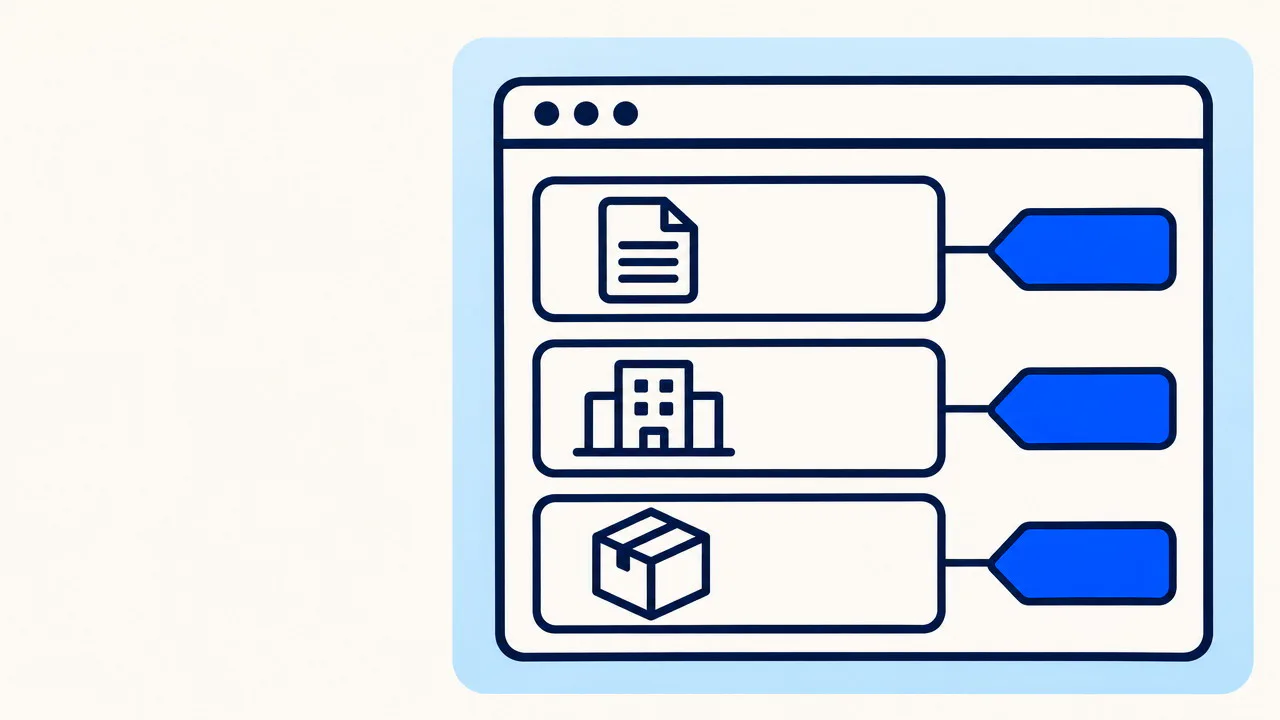
Pick the question the team can answer well and connect to a useful next step. The invoicing startup might consider an overdue invoice email template, a guide to setting payment terms or an invoicing software comparison.
Check search intent and product fit
Search intent is what someone wants to accomplish when they type a query. Search for each candidate topic and see whether the results mostly offer templates, explanations or comparisons. Prioritize a recurring customer need where the team can contribute something specific and offer a sensible next step. Here, the template wins because customers keep asking for wording and the team can show what changes after no reply.
Add something readers can use immediately
Put two editable emails near the top of the page. Google’s guidance on helpful content encourages publishers to give readers enough information to accomplish their goal.
- First reminder. “I’m checking in on invoice [number] for [project], which was due on [date]. Could you confirm when I can expect payment?”
- Follow-up after no reply. “I’m following up on invoice [number] and would appreciate an update on the expected payment date. If you need anything from me to process it, please let me know.”
Explain when each version fits and show where to include the payment link.
Publish and Distribute Your First Piece
Plan the first month around one piece of content. Use week one to collect questions and choose a topic. Draft, review and publish the piece in week two. Share it in week three and check early signals in week four.
Pick one channel you can reach today
Start where the audience already asks for help. If a freelancer community allows resource links, share a complete sample reminder in a relevant discussion. Add the link for readers who want the follow-up version. Give one person responsibility for answering replies and recording new questions. A question about how to handle partial payments could become the next piece.
Review the draft before it goes live
Check that readers can find the template quickly and use it without guessing which details to include. Confirm that the next step makes sense for someone who came for a reminder email. Capture those decisions before drafting with a brief and outline. The Opus Rank content planning docs show how to build both from a topic.
Measure What Your First Month Tells You
Track how readers find the piece and what they do after arriving. Use Search Console for Google impressions and clicks. Use Google Analytics to track an action such as a template download or trial sign-up.
Use early signals to decide what to change
If impressions are scarce, check whether Google has indexed the page with URL Inspection and keep sharing it directly. If the page gets impressions with few clicks, compare its title with the queries that surfaced it. A title that buries the email template may give readers little reason to click.
If visitors arrive and rarely take the next step, check whether the offer fits their immediate task. With limited data, treat each explanation as a hypothesis and revisit it as more results come in.
Startup Content Marketing FAQ
Can a startup start content marketing before it has customers?
Use prospect interviews and relevant community discussions to find a recurring question. Share the first piece directly and ask readers what they still need.
How often should a startup publish?
Run one complete publishing cycle and see how much time research, editing and distribution take. Set a schedule the team can sustain alongside its other work.
How long does startup content marketing take to show results?
Look for replies as soon as the first piece goes out. Review search visibility and sign-ups over time as enough data comes in to judge each signal.
Can a startup use AI to write its first article?
Use AI to structure a brief or produce an initial draft. Follow Google’s guidance on generative AI content by verifying claims before publishing and adding specific examples from the team’s experience.
Conclusion
Content marketing for startups can begin with one question a customer or prospect has already asked. Write it down, choose a format that helps them act and name one place to share it. If readers then ask what to say after receiving a partial payment, there’s the next topic.