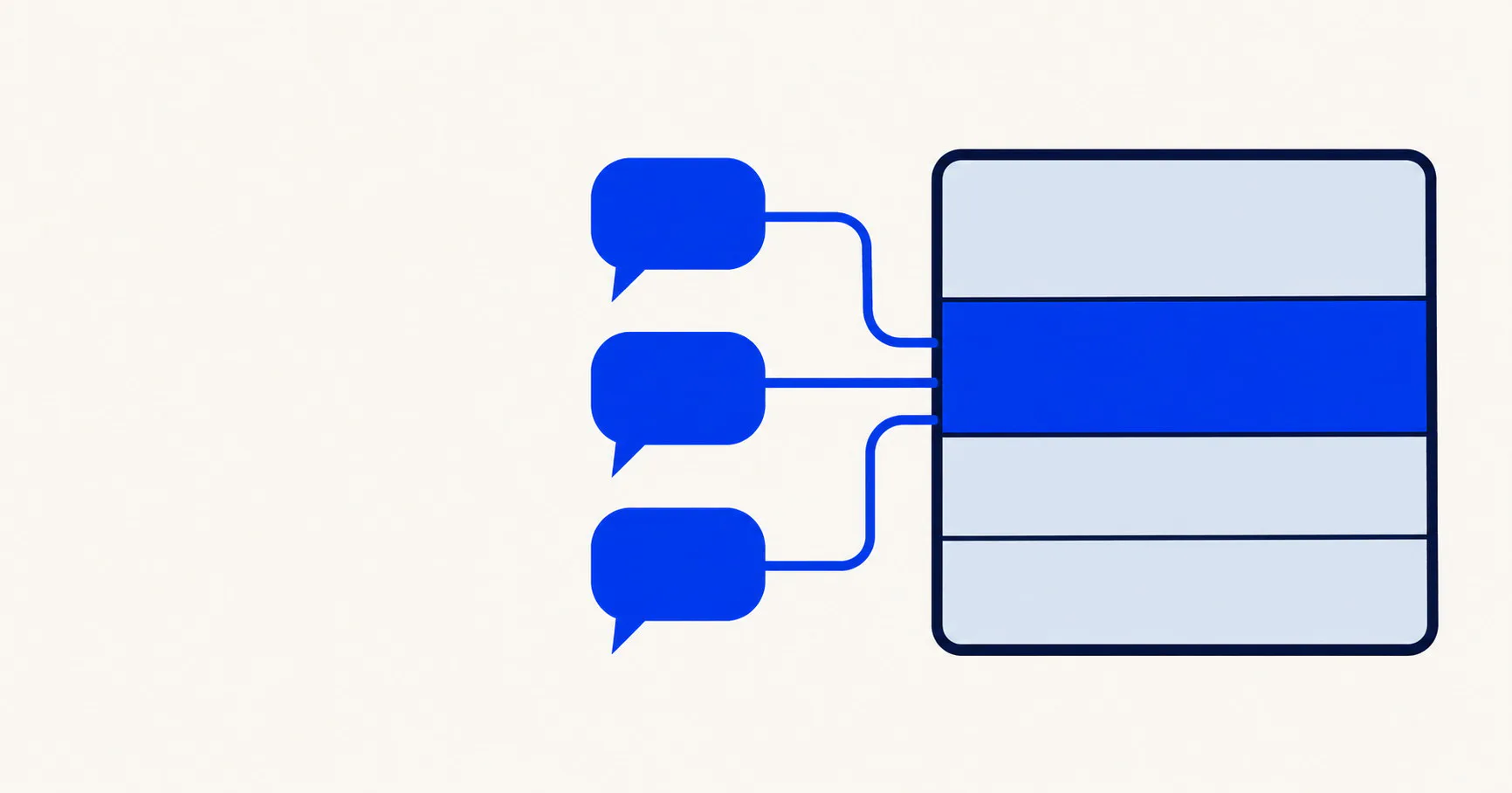
What Is GEO? Generative Engine Optimization Explained
What makes a page a useful source for an AI-generated answer? Learn how generative engine optimization (GEO) builds on SEO, how to improve one existing page, and how to track impressions, citations, and referral visits.
Opus Rank
Team ·
Ask an AI search tool whether to use WordPress or Ghost for a paid newsletter. It might summarize the trade-offs and link to a comparison that supports its answer.
Generative engine optimization (GEO) is the practice of improving how a website or brand appears in AI-generated answers. For publishers, the practical starting point is one existing page. Check whether search systems can access it, strengthen the evidence it offers and measure where it appears.
What is generative engine optimization (GEO)?
GEO focuses on how sources and brands appear in answers from tools such as Google AI Overviews, Google AI Mode and ChatGPT Search. In their original GEO study, Pranjal Aggarwal and colleagues tested ways to improve source visibility in generated responses. The results varied by topic, so the benchmark offers a starting point for testing changes on individual pages.
How AI search finds sources and generates answers
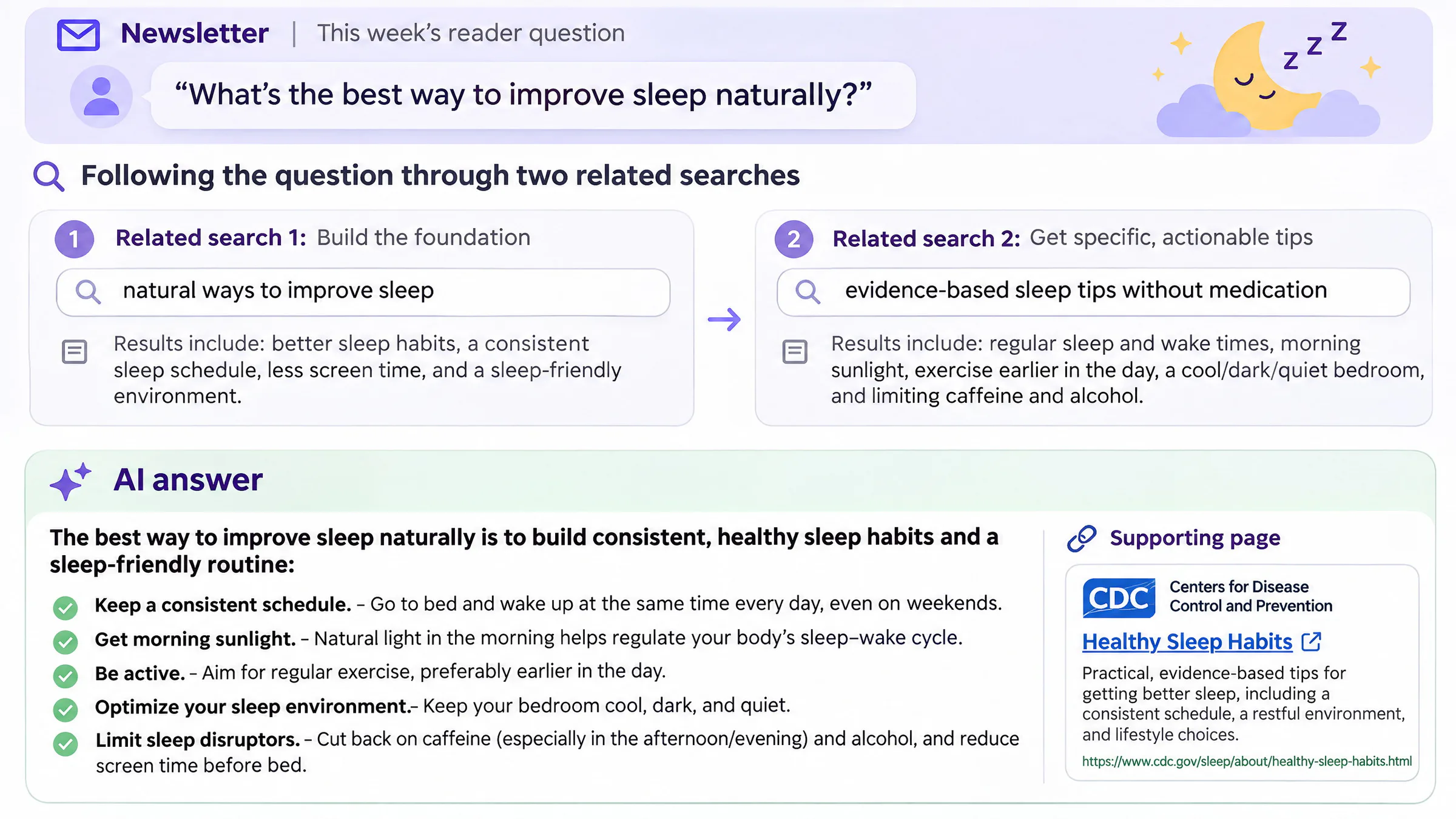
An AI search tool can retrieve relevant pages and use information from them to build an answer. Google describes one method as query fan-out. A question about WordPress versus Ghost could trigger related searches about paid subscriptions, setup effort and publishing workflows.
A brand mention means the answer names a brand. A linked citation points readers to a page that supports the answer. A ChatGPT Search response could mention Ghost while citing an independent publisher’s comparison.
GEO vs. SEO: Where they overlap
Search engine optimization (SEO) helps pages appear in organic search results. GEO focuses on visibility within the generated answer itself. The same newsletter comparison could appear as a standard search result for one query and as a supporting link in an AI Overview for another.
Both start with pages people can find and use. Clear internal links help readers and search engines discover related pages. Original examples give readers something they can use to make a decision. Google’s guidance for generative AI search explains that its AI features build on the same core ranking and quality systems as ordinary search.
How to apply generative engine optimization to one page
Start with a page that already answers a question customers ask. For the WordPress-versus-Ghost comparison, the reader needs enough information to choose a platform for a paid newsletter.
Check whether search systems can access the page
For Google AI Overviews and AI Mode, check whether Google has indexed the page and whether it’s eligible to appear with a snippet. Google lists both conditions in its guidance on AI features.
For ChatGPT Search, review the site’s robots.txt rules for OAI-SearchBot. OpenAI uses that crawler for search and provides a separate setting for GPTBot, its training crawler. A publisher can configure the two independently, as explained in OpenAI’s crawler documentation.
Give readers a direct answer with evidence
Put the main decision criteria near the top. Use headings that let readers jump to paid subscriptions, setup effort or the publishing workflow. If the comparison mentions a plan price or a feature limit, link to the vendor documentation that supports the specific claim.
Then add something a reader can learn from firsthand. For example, set up a paid newsletter on each platform and document the steps from creating a signup form to publishing the first issue. Record the test date, the plans you used and any setup choices that affected the result. Those details help readers decide whether they’d face the same steps on their own site. A firsthand walkthrough is also the kind of original material Google recommends for AI search.
How to measure GEO performance
Start by deciding what you want to measure. An impression records an appearance. A citation points to a supporting page. A brand mention names the brand, while a referral visit records someone arriving on your site.
Google Search Console’s Generative AI performance report shows impressions for AI Overviews and AI Mode. Bing Webmaster Tools’ AI Performance report shows citation activity for individual URLs across supported Microsoft and partner experiences. Use your site analytics to check whether those appearances correspond with referral visits you can identify.
Before editing the comparison, save the available metrics for its URL. Recheck them over a comparable period after the update. A rise in impressions or citations shows a change in visibility. The reports can tell you when it happened, while the cause remains open.
Frequently asked questions about GEO
Does Google require special schema or an llms.txt file?
Google applies its existing Search requirements to AI Overviews and AI Mode. Its AI search guidance says publishers can appear in those features without special markup or an llms.txt file.
Can GEO guarantee a citation in an AI answer?
Meeting a platform’s requirements makes a page eligible for consideration. The platform decides which sources appear in each answer. Google explains the distinction in its eligibility guidance.
Can an AI citation appear without sending traffic?
Yes. A reader can see a citation and get enough information from the answer to move on. That appearance can count toward Bing’s citation totals even if the reader never visits the cited page.
Conclusion
Start with generative engine optimization on one page that answers a real customer question. Check whether search systems can access it and add evidence that helps readers make a decision. Record the page’s visibility before making changes so you have a baseline for comparison.